


One of the most important concepts in finance is compounding. Compounding is interest earned (or charged, in the case of a loan) on interest previously paid (charged). For an investment portfolio, compounding is returns on returns. The positive impact on a saver’s (negative on a borrower’s) wealth increases exponentially with time. Since April is Financial Literacy Month, we demonstrate the concept here and give you an easily scalable table to use for estimating future wealth.
Compound Interest

A key component of financial literacy is the concept of compound interest. The first interest payment is based on the starting balance. Assuming no withdrawals, all interest paid thereafter will be based on both the original balance and all interest income (“interest on interest”). This fact allows a savings account earning a 2% interest rate to grow to $110.41 (instead of $110) in five years. The same concept works for loans, with the absolute amount of interest charged growing if the principal amount is not paid down.

Time Also Builds Wealth
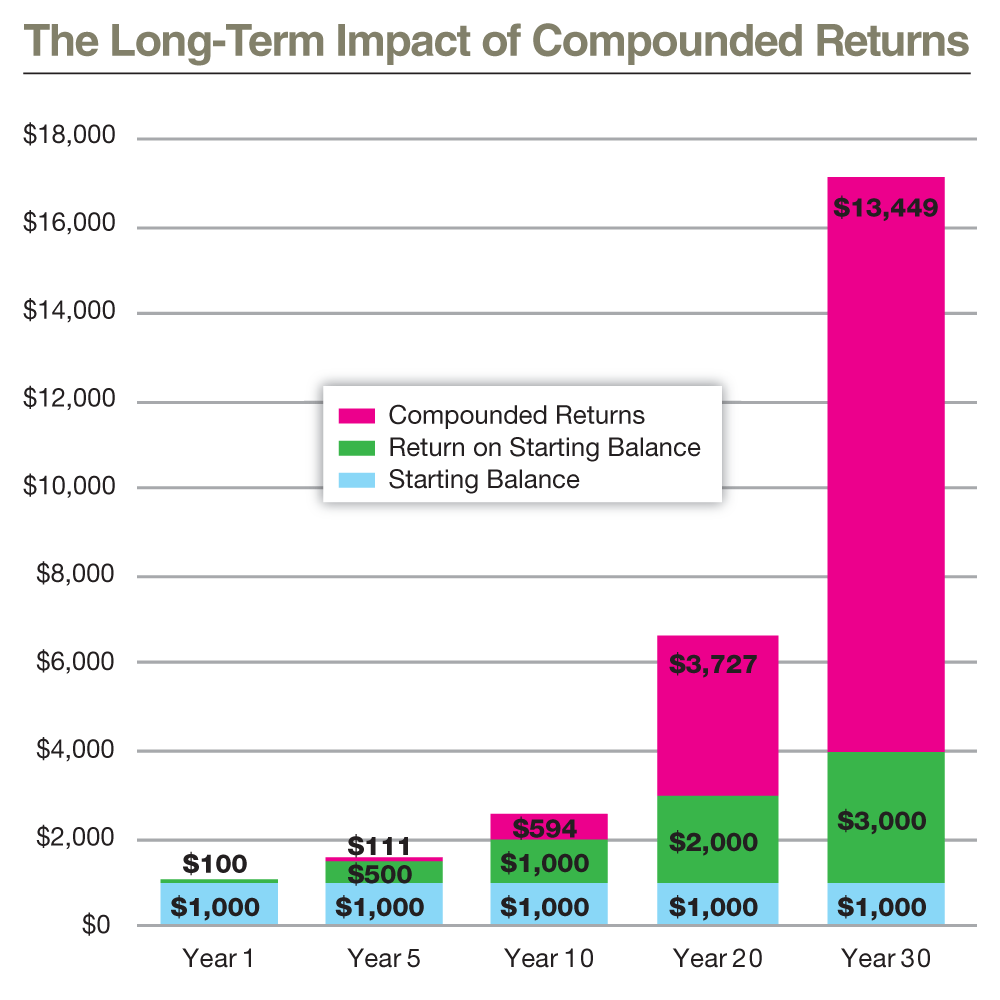
Initially, the benefits of compounding on a portfolio are small. With the passage of time, the amount earned from compounding grows exponentially, leading to ever larger increases in wealth as percentage returns are realized off of bigger and bigger account balances. For example, a $1,000 portfolio realizing a 10% annualized return (which is equivalent to the long-term return of large-cap stocks) will grow to more than $17,000 if left unchanged for 30 years.
How Time and Return Intersect
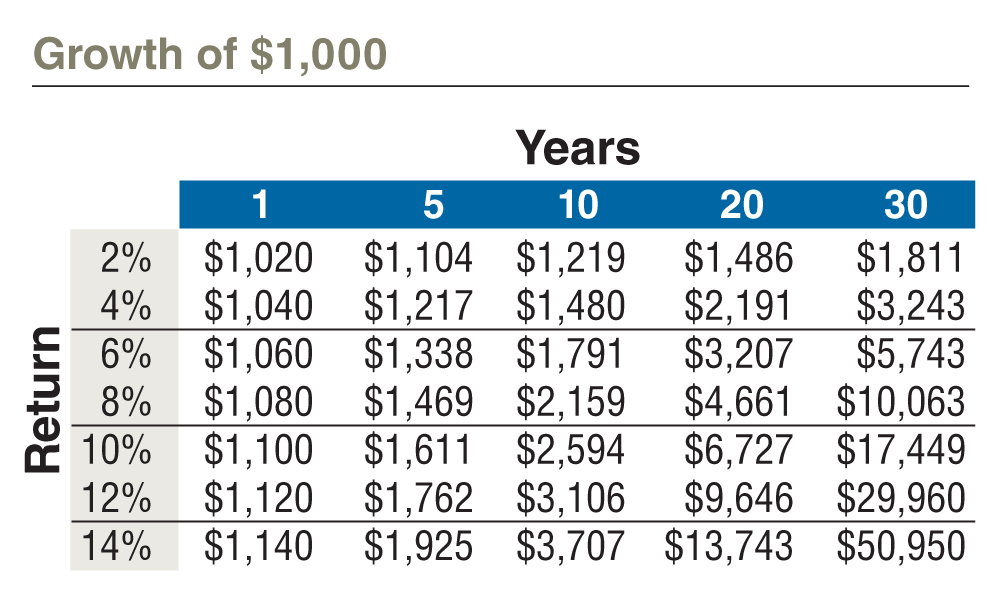
The length of time you can invest for and the amount of the return you realize are both key determinants in how much wealth you will have. This table shows what a $1,000 starting balance will grow to, assuming no additional contributions, at a given rate of return and investment period.
Discussion
FREE REPORT

DonB from OR posted over 7 years ago:
Rico from MI posted over 7 years ago:
Steve from WI posted over 7 years ago:
ARMAND C from CO posted over 5 years ago:
David L from AK posted over 3 years ago:
You need to log in as a registered AAII user before commenting.
Log InCreate an account