


Retirees’ expectations of their future risks differ from the more probable risks they will encounter.
This finding is based on data from the Health and Retirement Study. It incorporates five different types of risk that could affect those in retirement: “outliving their money (longevity risk), investment losses (market risk), unexpected health expenses (health risk), the unforeseen needs of family members (family risk) and retirement benefit cuts (policy risk).”
These different kinds of retirement risk were analyzed and ranked based on how much they would affect retirees. The “greatest risk is longevity risk, followed by health risk,” according to the study’s author. This is due to people generally living longer, which increases the risk of retirees outliving their retirement savings. Objectively, policy risk is ranked last “because Social Security reform is unlikely to have a significant impact on people who have already retired.”
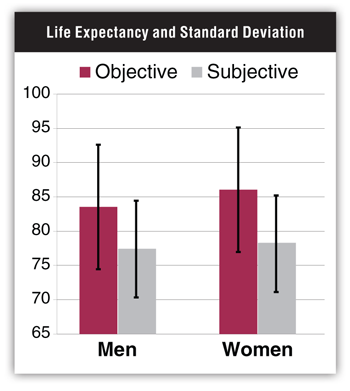 However, when retirees ranked these risks for themselves, market risk was listed as the greatest risk. The researcher at the Center for Retirement Research at Boston College believes this is because “retirees exaggerate financial market volatility.” In this case, longevity risk and health risk are not perceived as important risks to retirees because they don’t believe they will live long enough to outlive their savings or to accumulate a large amount of health costs.
Although this difference in ranking could help retirees to understand the sources of these specific retirement risks, the study’s author notes that “it is challenging to analyze these risks within a single framework, because they affect retirees through multiple dimensions, such as their planning horizons, the value of their investment holdings, unexpected expenditures and income disruptions. It is also unclear whether retirees perceive their risks accurately, because their beliefs about those risks often deviate from what the empirical data show.” The author suggests that this methodology could be applied to a larger variety of households to include those of different socioeconomic status.
Source: “How Accurate Are Retirees’ Assessments of Their Retirement Risk?,” by Wenliang Hou; Center for Retirement Research at Boston College, July 2020.
Discussion
FREE REPORT

No comments have been added yet. Add your thoughts to the discussion!
You need to log in as a registered AAII user before commenting.
Log InCreate an account