

Conversations about retirement and death can be difficult, but are critical to being prepared.
A good place to start is to discuss the family’s finances. Get involved in all aspects of family finances, including debts, assets and resources available to pay for retirement such as Social Security and pensions.
What does retirement look like? It’s a question not enough of us ask ourselves, especially the women among us.
It is a sobering fact that 90% of women will be single at some point during their retirement. According to the 2014–2015 Prudential Research study “Financial Experience & Behaviors Among Women,” nearly half of those age 75 and older are single because of widowhood, divorce or never having been married.
Having a conversation about retirement can be a frightening experience for any couple, especially if the financial facts and figures they come up with are not what they had expected. Talking to your spouse about death is even tougher, but it is also one of the most important conversations you will ever have.
You need to be proactive: Sit down with your spouse and review the necessary information you need to plan. In addition to financial information, you need to talk with your spouse about your retirement vision and your wishes for your retirement and for when you die.
The conversation is about going to your spouse and saying, “If you become ill or have a terminal illness, how do you want to live the rest of your life? If I am the surviving spouse, how do you want me to take care of you? How do you want me to help you? How does it look to you and how do you want it to be? How will we take care of our loved ones? Who do we want executing our will?”
Challenges for Women
Today, women have made incredible strides and are better off both professionally and financially than in the past. They are better educated and have greater responsibility in the corporate world than ever before, and they are leaders in many professions. According to the “Women of Wealth” study done by the Family Wealth Advisors Council, women are now the primary breadwinners in over 40% of U.S. households, representing an almost four-fold increase from 1960. Women also own 30% of all private businesses in the United States, employing over 7.8 million Americans, and control 51% ($14 trillion) of U.S. personal wealth. The wealth that women control is expected to grow to $22 trillion by 2020.
Despite the advances, too few women plan for their retirement or widowhood. We’ve all heard the stories of women who only learn after their spouse dies that he had weighty financial obligations and the negative impact these obligations have on the surviving spouse. It can be terrifying when the sole income earner in a household dies, but it is even more so if one is unaware of her spouse’s financial situation.
Significant life changes—such as the death of a spouse, a divorce, the loss of a job or a major medical issue—are universal concerns that everyone, regardless of gender, has to face. However, there is a confluence of factors that cause such events to be especially difficult to navigate for women.
Sandwich generation women, for example, suffer the burden of caring for their children and their aging parents at the same time—more than men, in fact. According to the Family Caregiver Alliance’s “Women and Caregiving: Facts and Figures” report (February 2015), approximately two-thirds of caregivers are women. They spend 50% more time providing care than male caregivers. Women are also providing substantially more caregiving for spouses and aging parents. In shouldering a disproportionate share of the burden, women spend less time developing their careers, diminishing their earning power and ability to contribute to their future financial security.
Also, married women with children typically earn less than their male counterparts. On average, women still make $0.79 on the dollar compared to men, according to “The Simple Truth about the Gender Wage Gap,” Spring 2016 report by The American Association of University Women. The gender wage gap, therefore, further underscores the widening gender retirement gap. In addition, women tend to have fewer earning years than men.
At the same time, women live, on average, five years longer than men. This means women have to acquire enough assets to fund an additional five years of income for retirement, even though they have less time to dedicate to the task. In fact, time in and of itself is the number one concern for women when planning for their retirement and death.
Women caring for a spouse or aging parent are also under considerable emotional stress and are far more likely to develop mental health challenges such as depression and anxiety than their male counterparts. As stress and mental health concerns increase, they further exacerbate financial hardship for women and their families.
The combination of professional responsibilities and personal obligations leave many women with little time to see to their own future financial stability. To be sure, women simply have to do a lot more to make sure their golden years are actually golden.
Challenges Couples Face in Navigating Retirement
One challenge couples face navigating retirement is to align their lifestyle goals.
Couples often neglect to discuss their vision of retirement and a mismatch in expectations ensues. There is a financial and lifestyle differential when one spouse wants to travel during retirement and the other wants to stay at home.
Have an open dialogue with your spouse to ensure that your consumption will be supported by your resources. Planning ahead is essential. Couples need to consider the potential tax and legal implications depending on which state they decide to reside in. Ask each other questions such as, “Where do you want to live? Can we afford to travel? How often can we visit family? Are there groups we can join during our retirement?”
Another challenge couples commonly experience is planning for blended families. Blended families often have more complex financial planning needs and care must be taken through the process. Be sure to have an open dialogue with your spouse on your respective goals and desires for each family. If you and your spouse’s family work with different financial professionals (e.g., advisers, attorneys, accountants, etc.), coordination is important. Having one person as the primary contact, such as your adviser, can help facilitate the necessary communication.
Where to Start
So, where do you start? You start by becoming involved in all of your family’s finances. Make sure you and your spouse are discussing your individual and joint finances. Ask questions such as, “How healthy is our balance sheet? Are we meeting our goals?” If you are not already involved, you need to ask: “Where is our money invested? Who are our advisers? Can I meet with them? Can we meet them together?”
This is the kind of thing you need to do now so that during any life transition, expected or unexpected, you have the facts to handle your finances and know who you are working with. Knowing this information and having a holistic financial plan can take a lot of stress out of any life transition.
A financial plan is a comprehensive look at your current and projected future financial state. It takes into account present variables and predicts future income and other aspects, such as spending and investment. Holistic financial planning means thoroughly examining the wealth impact of each medical, financial and legal decision you expect to have to make. These days it is even more important to incorporate medical considerations into your plan because of the rising cost of health care.
Financial plans help individuals and their families navigate through difficult times and avoid the pitfalls of making financial decisions when emotions are running high. It is no secret that some of the worst decisions are made under duress.
An adviser can be helpful in making a financial plan; an adviser can ask questions to gather a comprehensive picture of your ‘health in wealth’ to inform a holistic discussion of your financial plan. When examining your own financial health and retirement plan, gather all relevant accounts and documents to evaluate your future financial readiness.
Unfortunately, many ignore retirement and end-of-life planning until it is too late.
Have a Vision
You and spouse should discuss what retirement looks like to you.
Is it travel? Is it starting a new hobby or small business? Is it active, or time spent reading all the books you never had time to read? Maybe it is having a second home in a different climate.
It is important that you and your spouse understand your retirement vision so that your financial plan is tailored to your needs.
Save for Retirement
Unless you get really lucky and win the lottery, receive an inheritance or sell a business, the best way to start planning for retirement is to start saving when you first start working. Unless you are certain about having funds in retirement, it is always advisable to live below your means and save the difference.
The earlier you start on your financial plan, the better. It is never too late, but starting young to plan and save will make the biggest difference to your retirement. Save consistently, every paycheck, every week, every month and every year. Your financial plan will demonstrate the impact of regular and consistent saving and will help motivate you to save.
An Adviser Can Help With Planning
Planning for your retirement is complex, and many struggle to do it alone.
Financial advisers can help you leverage your assets while considering your financial objectives, personal risk tolerance, demographics, unique personality preferences and life goals. They can help create a holistic and personalized financial plan that helps individuals reach the financial goals and retirement vision that are important to them.
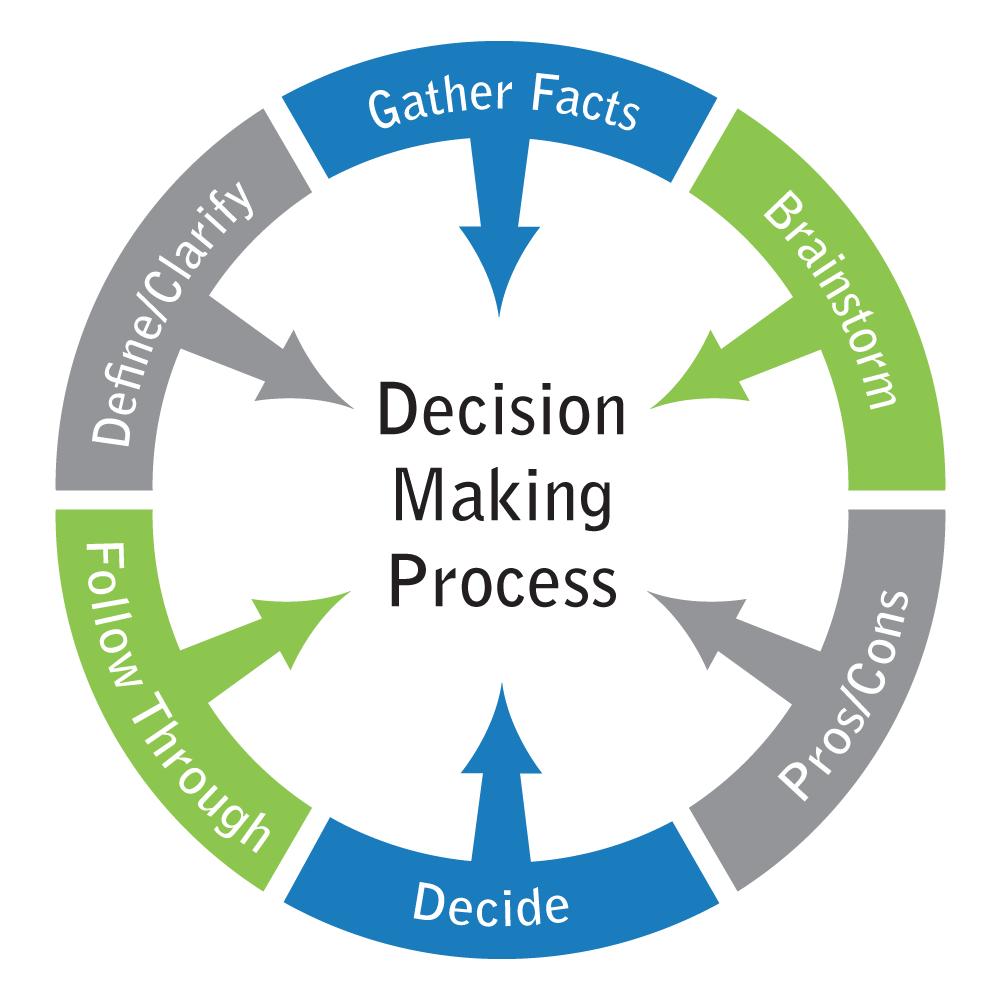
Creating a retirement plan requires creating a vision for retirement, categorizing the importance of your needs and determining what it costs to fund that vision. Doing this can help you create a holistic financial plan and take a lot of stress out of the transition into retirement.
To be effective, the adviser has to be chosen carefully. As well as having the right credentials, your financial planner should be someone you trust. They must be someone who understands your intentions and objectives and knows what is meaningful to you.
A trusted adviser will help you set goals and devise the steps you need to take in order to achieve them.
Turning Your Vision Into Reality
After you understand your vision for retirement, it’s time to figure out the numbers that can turn that vision into reality. Determine what you want to do and whether you can afford to do it. Categorize the importance of all your needs, wants and wishes. Ask yourself: What does it mean to fund that vision of retirement on an annual basis?
Begin your process by looking at the debt side of your balance sheet, to understand the resources required to pay the existing debt and how long it will take to pay off the debt. To protect yourself against financial hardships during retirement, consider the impact of your debt on your retirement. Perhaps eliminating your debt is key to your peace of mind.
Before you commit to larger expenses or items such as a second home, assess your willingness to make the expenditure if you were to lose your current level of earning power once you or your spouse retires.
After looking at your liabilities, turn your attention to your assets, specifically your liquidity. You must know what resources you have to pay for your retirement, debt, and other expenses. List your access to liquidity as well as retirement funds [IRAs, 401(k)s], deferred compensation, insurance and benefit programs such as Social Security, pensions, investment or other income, etc. Your plan should reflect a timeline that includes you and your spouse. For example, if your spouse is five years your senior, calculate your living expenses at:
-
The time when you are both employed,
-
The time of your spouse’s retirement while you are employed,
-
The time of your retirement,
-
The time you are both retired, and
-
The time you are retired and alone.
Monitoring Your Plan
With today’s technology, it is easy to monitor your investments. Review your investment statements and financial accounts regularly to keep up with changes with your investments and accounts. Thoroughly review your financial plan at least annually to ensure that you are still on track.
With major life changes such as entering into retirement or the death of a spouse, keep in close contact with those you trust for guidance until you become more comfortable and settled.
As you actively work toward financial freedom in retirement, you can also plan for what you will leave to your beneficiaries after the death of you and your spouse.
Estate Planning
There are insurance considerations and tax planning strategies to help ensure that your assets are being maximized in accordance to your wishes.
For example, in the case of your individual retirement account (IRA) assets, tax benefits may be available to make a charitable bequest to a cause you support. Another way to maximize your assets is to consider implementing a revocable trust to assist in avoiding probate. Probate is public, and can be a costly and time-consuming matter; avoiding probate will only enhance your bequests to your heirs.
Making your wishes known and having conversations with your family and loved ones could minimize potential legal roadblocks. Your estate plan can help protect your family’s future.
Choosing an Executor
When most Americans think of drafting a will, they think about the distribution of their wealth and estate, the distribution of personal items, and the setting up of trusts.
However, your choice of an executor is just as important. Before drafting a will, choose who will manage your estate. This person can be your spouse, an adult child, a relative, a trusted friend or a trust company.
Ensure that the executor you appoint is equipped and willing to handle the time commitment and complexities of the tasks at hand. Provide your executor a list of the important documents and where they are kept so they know your wishes and how you want your estate settled.
It is crucial to have detailed conversations with your children regarding your family finances. Transparency and planning will prepare your family and your children to manage their inheritance and your wishes.
Health Care Decisions
Another important consideration is to ensure health care decisions will be made in accordance with your wishes when you are unable to make the decision.
One way to handle this is to identify a durable medical power of attorney: someone who knows you well and understands how you would make decisions about your health care and will make those decisions for you when you cannot.
Another way includes planning for advance directives or a living will, in which you direct specific actions to be taken regarding your health care, particularly at the end of life.
Put Your Mind at Ease
Changes often put us off balance, but having a detailed plan for life’s later years provides comfort and confidence. Talking about retirement and death by having ongoing and detailed conversations with your family, loved ones, executor and financial adviser will help put your mind at ease so you can enjoy your retirement.
Research Studies Referenced in this Article
AAUW: The Simple Truth About the Gender Wage Gap
https://www.aauw.org/files/2016/02/SimpleTruth_Spring2016.pdf
Family Caregiver Alliance: Women and CaregivingFacts and Figures
https://www.caregiver.org/caregiver-statistics-demographics
Family Wealth Advisors Council: Women of Wealth
http://familywealthadvisorscouncil.com/women-of-wealth/
Prudential Research: Financial Experience & Behaviors Among Women
http://corporate.prudential.com/media/managed/wm/WM-womens-research-summary.html
Discussion
FREE REPORT

No comments have been added yet. Add your thoughts to the discussion!
You need to log in as a registered AAII user before commenting.
Log InCreate an account