Sequence of returns is a risk for retirees. An ill-timed occurrence of negative returns can damage the odds of a portfolio providing enough income for the remainder of a person’s life. The American College of Financial Services’ Wade Pfau identified four techniques for managing this risk.
Spend conservatively. Partially annuitizing one’s portfolio can provide an ongoing source of income. Pfau demonstrates that even if spending and inflation grow constantly, the benefits of annuity income payments more than offset the need to take all inflation adjustments from the remaining portfolio. Another option is to delay Social Security benefits. This approach can reduce distribution needs on a lifetime basis and can even outweigh the benefits of partial annuitization.
Adjust spending. Allowing for flexibility in spending can lead to smaller withdrawals taken following a decline in the portfolio’s value. Most practical approaches to flexible retirement spending seek to balance the trade-offs between reduced sequence risk and increased spending volatility. Conversely, a variable spending approach, such as a floor-and-ceiling strategy, seeks a compromise between constant and variable spending. A floor-and-ceiling approach sets upper and lower limits for how much can be withdrawn each year.
Reduce portfolio volatility. A rising equity glide path is one way of accomplishing this. In this approach, retirement is started with an equity allocation that is lower than typically recommended with intent of steadily increasing exposure to stocks over time. Another approach is to use time segmentation or buckets. Both tie allocation decisions to the expected timing of fund retirement expenses. Additionally, Pfau says a bond ladder also works. Bond laddering staggers bonds by maturity.
Buffer assets. This involves having assets available outside the retirement portfolio to withdraw from after a market downturn. An old strategy in this category is to maintain a separate cash reserve. Pfau suggests two alternatives to cash: a reverse mortgage and utilizing the cash value of permanent life insurance policies. Both approaches are costly, but if retirees are planning to stay in their homes or increase spending, buffer assets may help to significantly improve the efficiency of their retirement income strategies.
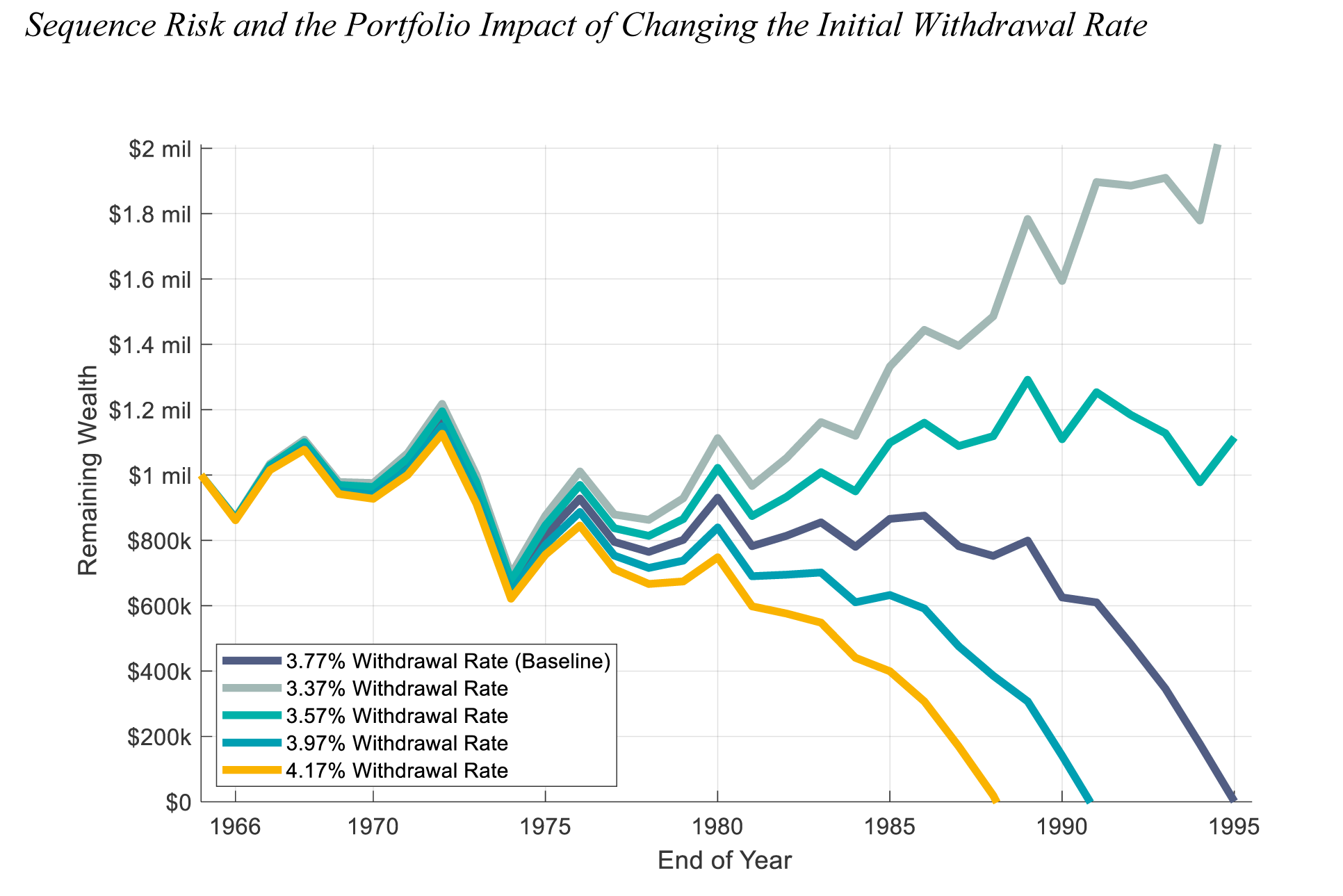
Source: “The Four Approaches to Managing Retirement Income Risk,” by Wade D. Pfau; The American College of Financial Services; December 10, 2019.






No comments have been added yet. Add your thoughts to the discussion!
You need to log in as a registered AAII user before commenting.
Log InCreate an account