


Charles Rotblut leads a class in AAII's new Essential Investing Video Course. Go to https://www.aaii.com/ves for more information and to subscribe.
Inflationary pressures are making a reappearance. The consumer price index (CPI) rose 4.2% before seasonal adjustment on a 12-month basis in April. This was the largest 12-month increase since September 2008.
A big driver of the price increases is supply shortages. Shortages of automobiles—both new and used—as well as houses are making headlines. Some of you who have begun venturing out again might have noticed staffing shortages at restaurants. Beyond what you’re hearing about, there are shortages for items you would not necessarily think about like chemicals used to make foam for mattresses.
This is occurring at the same time that coronavirus restrictions are being rescinded and vaccinated Americans are venturing out. We’re hearing terms being thrown around such as “revenge shopping” and “revenge travel.” Basic economic theory tells us about how the proportionate levels of supply and demand impact prices.
Federal Reserve chair Jerome Powell has previously expressed a willingness to let inflation run above his 2% target for a period of time before taking action. Powell has viewed the inflationary pressures as being transitory. Whether his view will evolve remains to be seen. Due to our publication deadline, some of you will read this prior to the June 15–16 Federal Open Market Committee (FOMC) meeting, while others will read it afterward.
The futures market as measured by CME’s FedWatch Tool suggests no interest rate hikes will occur this year. Its projections are subject to change. Updated economic expectations from FOMC members will be released at the conclusion of the June meeting. It is possible—but not guaranteed—for the so-called “dot plot” to signal a rise in interest rates occurring sooner than previously forecast.
If you are concerned about the impact that future rate hikes could have on bonds, there are options you can consider. Laddering the maturity of bonds helps to reduce timing risk. (The same can be done with certificates of deposit, or CDs.) Treasury inflation-protected securities (TIPS) are an alternative to traditional bonds.
If you believe equities will be more attractive going forward, but do not want your full allocation going to stocks, convertible bonds may be an option. These hybrid securities are debt instruments, make coupon (interest) payments and have a priority claim on the underlying assets of a company over shareholders of common and preferred stock, like traditional bonds do.
A key characteristic differentiating convertible bonds is their equity call option. When specific conditions are met, these bonds can be exchanged for equity in the issuing company. AAII contributing editor Brian Haughey discusses the ins and outs of convertible bonds here.
While smaller tactical changes—such as substituting one category of securities for another category of securities within the same asset class—may help you sleep better at night, it’s prudent not to make large portfolio changes. We do not know what inflation will look like 12 months from now, let alone five or 10 years from now. There’s also the uncertainty about how the stock market and/or the bond market will react to future inflation data.
We do know that having and following a long-term plan is beneficial. It removes much of the uncertainty of trying to guess what’s going to happen next with the market and economy. It shifts your focus to the goals you are trying to achieve and how you should invest to achieve those goals. When you focus on your plan instead of the daily headlines and scuttlebutt, you gain visibility and confidence.
The Individual Investor Wealth-Building Process has been designed to help you create such plans. Many of you have already taken advantage of what we created so far and have given me useful feedback, which I have incorporated.
For those of you who are participating as well as for those of you who have yet to try it out, we’ve created an acronym to help you remember the five key steps: PRISM.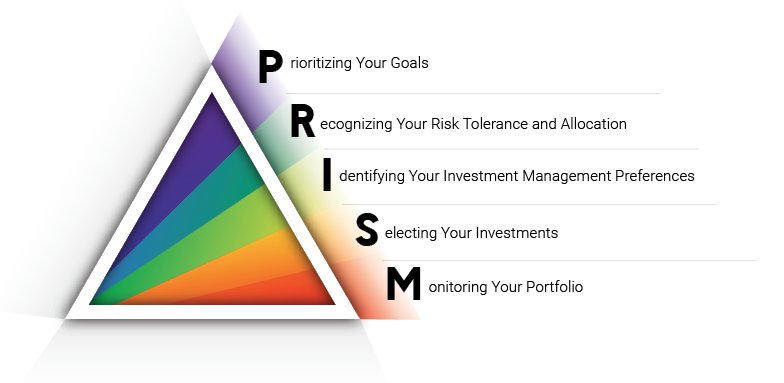
PRISM stands for prioritizing your goals, recognizing your risk tolerance and allocation, identifying your investment management preferences, selecting your investments and monitoring your portfolio. Completing all five steps will help you achieve returns in excess of the average investor. In the article, I begin a conversation about how to choose the actual investments you will hold. I hope you find it useful.
Wishing you prosperity and good health,


Related

Portfolio Strategies
Inflation: The Dormant Dragon
Discussion
FREE REPORT

No comments have been added yet. Add your thoughts to the discussion!
You need to log in as a registered AAII user before commenting.
Log InCreate an account