Finding ETFs and Mutual Funds That Work for You

by AAII Staff | August 20, 2019

 
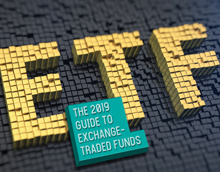
The Individual Investor’s Guide to Exchange-Traded Funds 2019 

By AAII Staff 

In putting together this year’s ETF guide, we took the approach of considering what information investors need to make better decisions when deciding what ETF to own. We emphasized “how to choose” an ETF to help you better identify what information you should be looking at when it comes to your holdings.

The article The Individual Investor’s Guide to Exchange-Traded Funds 2019 featured in the August AAII Journal provides a plethora of information for those unfamiliar with ETFs, as well as what key metrics beginning, short-term and long-term ETF investors should take into consideration. 

Some of the key topics the article discusses are:

  • The differences between ETFs and mutual funds
  • How to build an ETF portfolio customized to your risk tolerance 
  • Comparison of various broker no-commission ETF offerings 
  • What parameters to consider when evaluating an ETF for a long-term position

At AAII, we’re dedicated to providing comprehensive ETF information so that you can make the most educated decisions when it comes to your portfolio. In this article, all kinds of investors can find information on ETFs including restrictions with certain brokers, hidden fees and what is affecting the ETF market on a macro level. Our expanded online guide allows you to compare over 2,000 funds, search for information on specific ETFs and view performance charts and comparisons of different fund families that are currently available.

We hope this guide can help you to better sort through the vast information that is out there on ETFs.  In our straightforward approach to educating the public, we aim to equip investors with the unbiased knowledge and tools needed to make the best investing decision regarding their ETFs. 

  More »


Analyzing Mutual Funds:
Creating Fund Screens
 

By Joe Lan, CFA

Mutual funds have become one of the most common types of investing vehicles since their inception in 1924. In 2018, nearly 50% of U.S. households owned mutual funds, according to the Investment Company Institute. Considering that mutual funds allow investors to easily diversify and access their investments with less risk and initial capital needed, the growth in popularity is no surprise.

The article Analyzing Mutual Funds: Creating Fund Screens offers a straightforward approach on how to screen through the vast sea of potential mutual funds that are currently available. And while screening is just the first step in owning a mutual fund, researching all of your options is vital when it comes to finding funds that fit into your portfolio.

Some of the key elements from the article include:

  • Tips on how to decide what type of mutual fund you want to target
  • The different kinds of fees mutual funds can charge you and what fees you should avoid
  • Tailoring a screen based on your fund preferences

While mutual funds may not be a good fit for every investor, if they interest you it is important to take the appropriate steps to ensure you find the best fund. You don’t need to become an expert on mutual funds, but you do need to know the basics. Whether you are an experienced investor or a beginner, sorting through the thousands of mutual funds to choose from and dozens of details to know can be a daunting task. 

  More »


AAII Investor Classroom:
Breaking a Tie Between Funds
 

You know in general what type of mutual fund you want. You’ve found a good online mutual fund screener to narrow down the list. But you end up with two funds to choose from that seem very similar. How do you decide between them? AAII has an Investor Classroom that can help: Breaking a Tie Between Funds. It walks you step-by-step through essential factors that reveal differences in funds that seem alike on the surface. 

This is just one of the Investor Classrooms you have access to as an AAII member. The Classrooms are designed to allow you to learn basic investing concepts in a graduated fashion. Articles are broken down into small chunks of information that you proceed through at your own pace. Topics cover first steps when getting started in investing, how to read financial statements, how to choose a fund, what you need to know about bonds and a simple worksheet for analyzing a stock. Whether you need a quick refresher or feel overwhelmed by where to start, AAII’s Investor Classrooms are your answer. 

  More »

Discussion

No comments have been added yet. Add your thoughts to the discussion!

You need to log in as a registered AAII user before commenting.
Create an account

Log In
Join a select group of investors who benefit from our educational mission. Sign up to receive exclusive AAII content to achieve your financial goals. Plus, receive the bonus special report:
"Profitable Retirement Planning"
100% Privacy Guaranteed.