A study looked at how future retirees overestimate the benefits they will receive in retirement.
Using data from the Understanding America Study (UAS), researchers for the University of Michigan Retirement and Disability Research Center studied why current retirees are dissatisfied with their retirement. Nearly half of those retirees surveyed (43%) said they would like to change some aspect of their retirement.
Specifically, there was concern about Social Security benefits among future retirees. The study found that “many individuals display high levels of uncertainty about their future retirement benefits, which may affect their retirement readiness. More than 50% of our sample of nonretirees declare they do not have a good estimate of their future Social Security benefits.” But beyond just Social Security, many people did not have a good picture of their future retirement benefits in general. Only 9% said “I know for certain how much they will be”; 41.9% said “I have a guess/estimate”; and 49.1% stated “I have no idea how much they will be.”
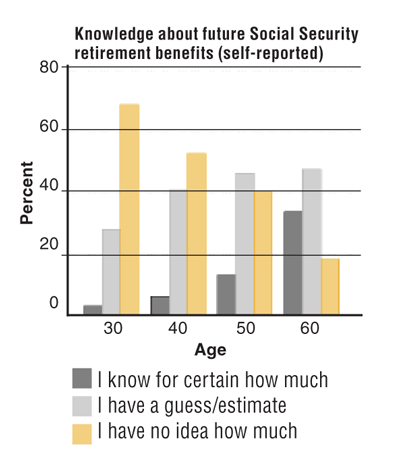
Even with about half of the respondents not knowing how much their Social Security benefits will be, the study found that “On average, individuals in our sample tend to overestimate the level of retirement benefits they will receive from Social Security.” The uncertainty works against those who are further away from claiming their benefits, as those who are closer to the “intended benefit claiming age” are less likely to overestimate the value of their future retirement benefits.
The study concludes that a “sizable uncertainty about future retirement benefits among nonretirees … affects wealth accumulation by workers, as a result of precautionary savings.” Since many of those in retirement wish they could change the choices they made about how to prepare for it, the researchers suggest that if people could reduce the uncertainty they have about their retirement, they would have fewer regrets once they reach retirement.
Source: “Subjective Expectations, Social Security Benefits, and the Optimal Path to Retirement,” by MarÍa J. Prados and Arie Kapteyn; University of Michigan Retirement and Disability Research Center, November 2019.







Name from Confusion posted over 6 years ago:
You need to log in as a registered AAII user before commenting.
Log InCreate an account